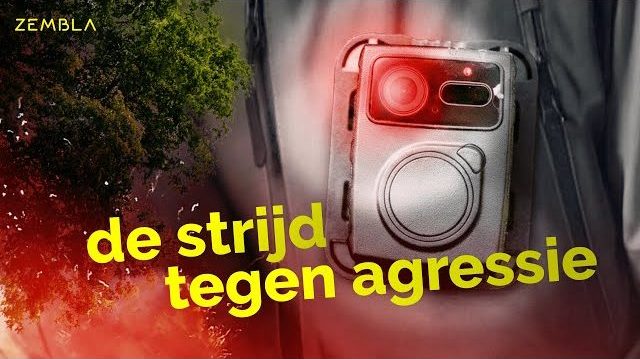

The episode follows three frontline roles that rarely appear together in one story, yet their experiences are strikingly similar. Each professional is expected to remain calm, explain rules or decisions, and absorb anger that is often not personal, but still very real.
Inside the hospital: emotions under pressure
In the hospital segment, nurses explain how aggression most often comes from fear and powerlessness. Family members worry about loved ones, patients feel pain or uncertainty, and staff must enforce rules about visiting hours, treatment protocols, or waiting times.
The video shows how quickly verbal aggression can escalate when people feel they are not being heard. Hospital staff describe insults, shouting, and threats as common experiences. To reduce risk, the hospital deploys additional support from psychiatric teams and applies stricter access rules for visitors who cross the line.
In these moments, a bodycamera can support staff by creating clarity. When patients or visitors know an interaction is being recorded, the tone often changes. The camera does not replace conversation, but it reinforces boundaries and helps keep discussions focused on solutions rather than emotions.
At the housing corporation: frustration at the front desk
The housing corporation segment focuses on customer service desks and conversations with tenants. Employees explain that housing problems are rarely small issues. Rent, repairs, and living conditions directly affect people’s sense of security.
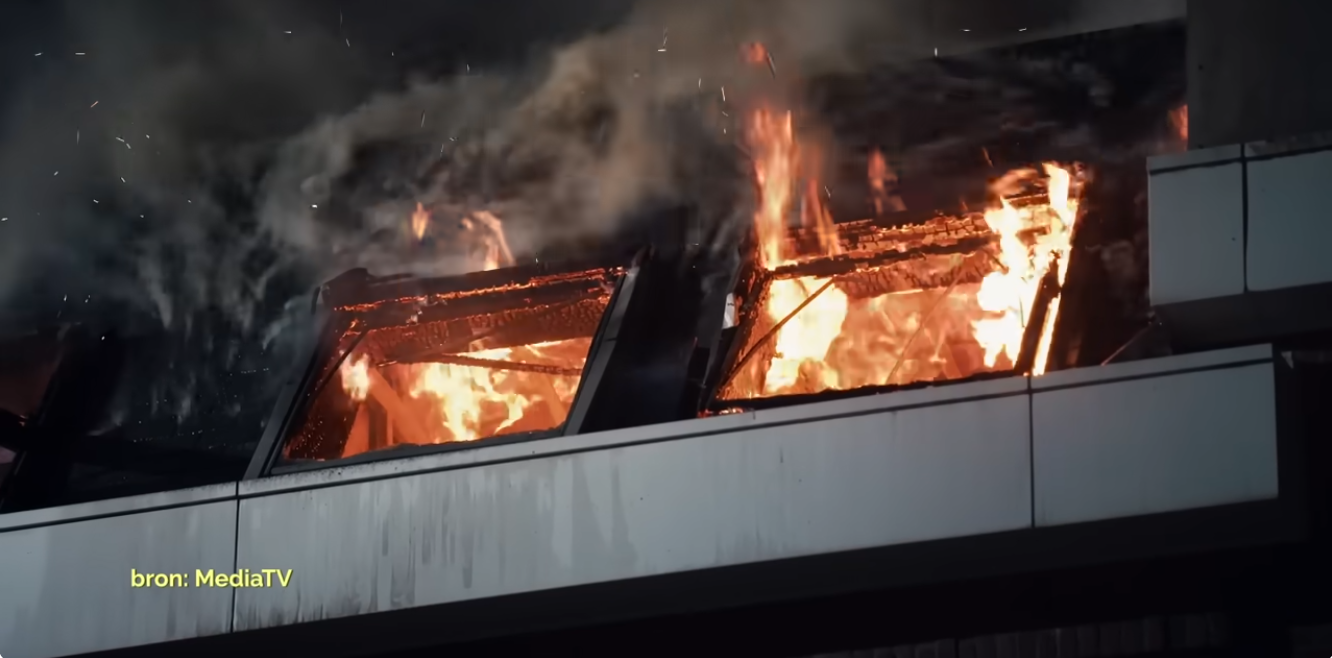
The video makes clear that aggression is not limited to raised voices. Staff describe verbal abuse, threats, and intimidation as part of their daily work. In Rotterdam, this tension has escalated beyond the desk. Housing organisations have been confronted with serious incidents such as explosions using heavy fireworks (Cobra-type devices) near residential buildings. These acts are not aimed at frontline staff personally, but they create an atmosphere of fear and underline how quickly frustration can turn into real danger.
In this context, a bodycam is not only about recording conversations. It helps staff draw a clear line: this behaviour is not acceptable. Visible recording supports de-escalation at an early stage and provides reliable evidence when intimidation or threats cross legal boundaries. Footage also helps organisations analyse patterns and improve how difficult conversations are handled.
The video highlights a worrying trend: aggression often pays off. Research shows that when shouting leads to faster service, it reinforces the behaviour. Bodycams help break this cycle by shifting the focus back to professional standards and accountability.
Alone in the forest: the ranger’s reality
The forest ranger’s story highlights a different risk. Working alone in large nature areas, rangers must enforce rules around access, conservation, and illegal activities. The video shows how confrontations arise when people challenge authority or deny wrongdoing.
Rangers explain that they increasingly deal with organised groups and with people who live illegally in nature reserves, as seen in areas such as the Oostvaardersplassen. These situations are more complex than one-on-one conversations with recreational visitors. Group dynamics, conflicting interests, and repeated encounters increase the risk of escalation.
Unlike hospital or office environments, help is not nearby. Rangers often have to make fast judgement calls without witnesses. In these situations, a bodycam provides crucial evidential value. It creates an objective record of group interactions, supports accurate reporting, and strengthens follow-up when enforcement actions are questioned.
Bodycams work: make sure to set the right framework
The video also makes one thing clear: technology alone is not the answer. Several professionals say that aggression is often seen as “part of the job”. Over time, this mindset blurs personal boundaries and increases risk.
A bodycam helps staff draw that boundary again. The act of activating the camera reinforces that a line has been reached and that behaviour is no longer acceptable. Training is therefore not only about how to operate the device, but about recognising escalation, communicating limits, and using the camera as a professional signal rather than a last resort.
Clear rules on activation, communication, storage, and review are essential. Privacy, data security, and transparency must be built into the framework, especially in sensitive environments like healthcare and housing services. When these elements are in place, bodycams become a support tool that empowers staff instead of normalising aggression.
From individual incidents to organisational learning
What connects all three stories is not just aggression, but the need for support after incidents. Reviewing footage can help organisations understand what triggered escalation and how staff can be better supported next time.
For organisations exploring professional bodycam solutions for frontline staff, ZEPCAM offers systems designed for de-escalation, evidence integrity, and secure video management.