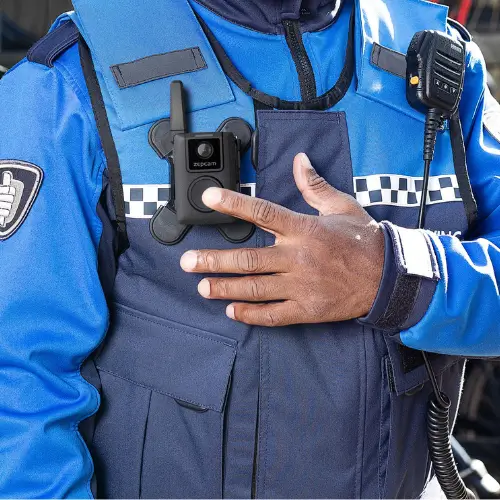

For bodycams to be effective, users must be confident in their operation, understand video management software, and follow legal and ethical guidelines. Training ensures that bodycams serve their intended purpose—protecting professionals and the public while strengthening trust in those who use them.
Improving User Proficiency Under Stress
Operating a bodycam should feel natural, even in high-pressure situations. Training helps users quickly activate recordings, tag key moments, and manage footage correctly. A well-trained user captures clear and relevant video, making it more useful in investigations.
When incidents escalate, every second counts. Hesitation or technical issues could result in crucial footage being missed. Training ensures that users instinctively know how to handle their bodycams so they can focus on the situation at hand.
Knowing how to upload, store, and retrieve recordings is just as important. Video management software training ensures that users and managers can quickly access footage when needed, preventing delays, reducing errors, and improving efficiency.
Using Bodycams for De-escalation
Bodycams record incidents and can play a key role in de-escalating aggression. When individuals know they are being recorded, they may be less likely to act aggressively. However, knowing when to activate a bodycam for de-escalation purposes—and when not to—is essential.
Training can guide users on the correct use of bodycams in these situations. It helps them recognise when a bodycam might help de-escalate a tense moment and when it could have the opposite effect. Learning best practices ensures that bodycams support professionals in managing challenging encounters effectively and responsibly.
Ensuring Compliance and Evidence Integrity
Bodycam footage must be handled correctly to be reliable in legal proceedings. Courts require strict adherence to evidence management protocols. Training ensures that users know how to store and transfer recordings properly, preventing unauthorised access or accidental deletion.
A transparent chain of custody is crucial. Mishandling the footage may undermine its credibility and weaken its impact. Proper training minimises these risks and ensures that recordings remain secure, admissible, and effective.
Ethical and Legal Considerations
Recording with a bodycam comes with significant ethical and legal responsibilities. Users must know when recording is allowed and how to comply with privacy regulations, such as the General Data Protection Regulation (GDPR) and other local data protection laws. Training clarifies these rules, ensuring bodycams are used responsibly to protect the public and the professionals wearing them.
Data security is another key consideration. Proper training covers secure storage and responsible sharing of footage. Additionally, redaction tools allow users to blur non-suspects, bystanders, and sensitive details such as licence plates. This safeguards privacy while preserving the evidential value of recordings.
Failure to comply with privacy laws can result in legal consequences for organisations and individuals. Training ensures that users understand the procedures for handling personal data, obtaining consent when required, and securely managing footage per the law.
Live Streaming and Real-Time Awareness
Live streaming enhances bodycam effectiveness by providing real-time situational awareness. It allows command centres to monitor incidents as they happen, coordinate responses, and offer immediate support. This can lead to better decision-making, increased officer safety, and essential oversight during dynamic situations.
However, live streaming requires proper training to be used effectively. Users must understand network requirements, manage bandwidth limitations, and ensure stable connections. Secure data transmission is also critical to prevent unauthorised access or breaches.
Training helps users know when live streaming is appropriate and how to comply with privacy regulations, such as GDPR and organisational policies. By mastering this feature, teams can improve communication, response times, and overall operational efficiency while ensuring compliance with data protection laws.
Strengthening Public Trust and Accountability
Bodycams are widely recognised as tools for increasing transparency. However, their effectiveness depends on their usage. Consistent and professional use, supported by proper training, builds public confidence.
A poorly operated bodycam can raise more questions than it answers. Training ensures that users follow best practices, reducing the risk of misuse and reinforcing the credibility of recorded footage. When handled correctly, bodycams serve as a valuable tool for accountability and trust-building.
Training is Not Optional – It Is Essential
Bodycam training goes beyond simply learning how to press “record.” It ensures users can operate the device confidently, correctly handle evidence, comply with GDPR and other privacy laws, and securely use advanced features like live streaming. Training also helps users understand when and how bodycams can be used for de-escalation, further improving safety and professionalism. Without proper training, bodycams may not reach their full potential and could become a missed opportunity rather than an asset.
ZEPCAM and its partners provide comprehensive training for bodycam users. From mastering device operation to understanding video management, data protection laws, and privacy safeguards, we ensure your team is fully equipped. Contact us today to learn more about our training programmes and how we can support your organisation.