
Blogs
Think you know everything about bodycams? Brush up on your bodycam knowledge and check out our latest articles about the protection and support of frontline professionals.


Bodycam privacy rules: GDPR, data protection and employee concerns
It is a legitimate concern. A bodycam is worn by an employee, potentially records colleagues and members of the public, and can capture video, audio, location data and information about sensitive incidents. Employees therefore need to understand not only why bodycams...
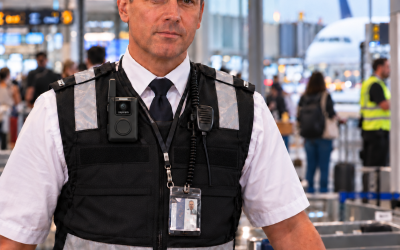
Bodycams for airports: 5 use cases for security and frontline staff
The pressure on airport staff is increasing. Days after the EU’s Entry/Exit System became fully operational in April 2026, ACI Europe reported border-control queues of two to three hours during peak periods across airports in 15 countries. In Palma, a union reported...
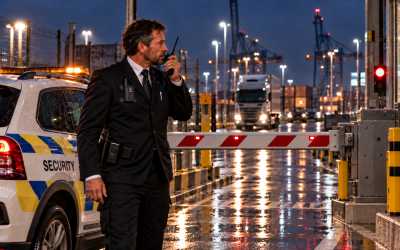
How bodycams strengthen mobile security in large European ports
Mobile security officers in major ports work across large areas where fixed cameras cannot see everything. Live-streaming bodycams can show the control room what an officer faces during an incident. Recordings can then help the team review what happened and write a clearer incident report.
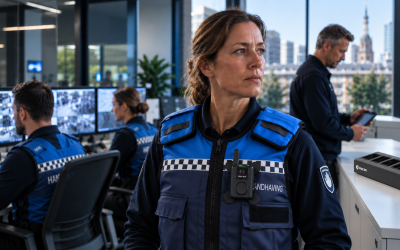
ISO certifications for body camera suppliers explained
Bodycam footage can contain faces, voices, locations, licence plates and details about employees and the general public. It may also become evidence in an investigation or court case. The five standards most closely connected with this environment are ISO/IEC 27001,...
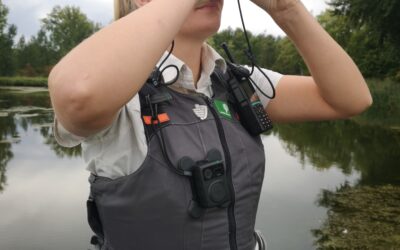
Where body cameras are used outside policing
Bodycams are increasingly used outside policing to protect employees, discourage aggression and create an objective record of incidents. They are now worn by railway conductors, hospital security officers, private security guards and selected retail employees. In connected deployments, live video can also give a control room a direct view of an unfolding situation.
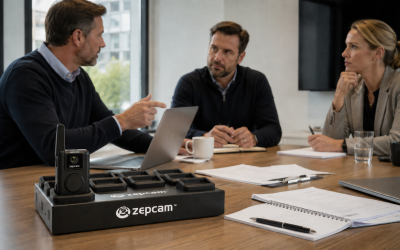
Buying a bodycam? Why choosing the right solution matters more than the camera
Body-worn cameras have become an essential tool for organisations looking to improve employee safety, transparency, and operational effectiveness. Whether used by police, security teams, healthcare professionals, public transport operators, or municipal enforcement officers, bodycams are increasingly part of everyday frontline operations.
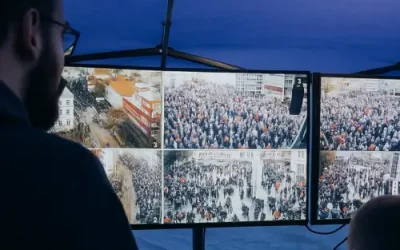
Using bodycams smarter for event management
Beyond the big day: Why smart event organisers use bodycams before, during and after every eventThe most successful events are not simply those that run smoothly on the day itself. They are the events that improve year after year because organisers learn from every...
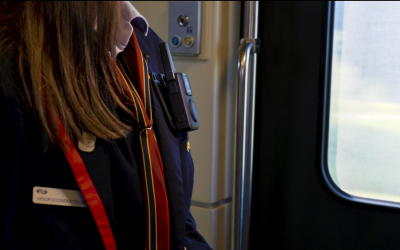
From pilot to practice: how ZEPCAM delivered the nationwide bodycam rollout for Dutch National Railways (NS)
A familiar challenge across public transport Every day, NS conductors and municipal enforcement officers help hundreds of thousands of passengers travel safely across the Netherlands. They provide information, assist travellers, enforce regulations, and manage...
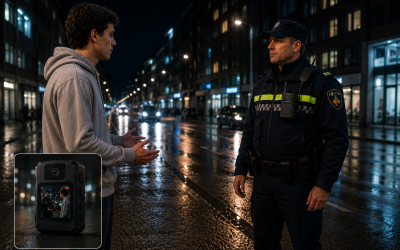
Bodycam with or without a screen? Why the front screen bodycams have outlived their purpose
Why bodycams originally had front screens When the first generation of bodycams entered the market, most members of the public had never encountered one before. Manufacturers introduced front-facing screens for a simple reason: to make recording visible. The screen...