

Beyond the big day: Why smart event organisers use bodycams before, during and after every event
The most successful events are not simply those that run smoothly on the day itself. They are the events that improve year after year because organisers learn from every deployment.
For organisers of concerts, marathons, sporting events, demonstrations and other public gatherings, a live-streaming bodycam should not be viewed as equipment for a single day. It should be seen as a tool that supports the entire event lifecycle, from planning and preparation to live operations and post-event evaluation.
The value of a bodycam does not end when the last visitor leaves. In many ways, that is where it really begins.
The challenge: every event starts from scratch
Every public event is different.
Weather conditions change. Visitor numbers exceed expectations. Routes need to be adjusted. Security incidents develop unexpectedly. Medical emergencies occur without warning.
Event organisers invest heavily in preparing for these situations. Security plans are created, CCTV systems are installed, control rooms are staffed and operational briefings are organised before every event.
Yet once the event is over, much of the operational knowledge disappears with it.
Radio conversations cannot easily be reviewed afterwards. Incident reports are often written hours later from memory. Valuable observations remain with individual team members instead of becoming part of the organisation’s operational knowledge.
As a result, planning for next year’s event often starts from the same assumptions as the previous year, rather than from objective evidence gathered during the event itself.
Instead of building experience, organisations repeatedly relearn the same lessons.
One bodycam system, three moments of value
Modern live-streaming bodycams offer much more than incident recording.
By combining live video, audio and GPS data with a professional video management platform such as ZEPCAM Manager, every recording becomes part of a valuable operational knowledge base.
The same footage can support three different phases of every event.
Before the event
Every event creates valuable training material for the next one.
Rather than explaining crowd behaviour using written procedures or verbal briefings, supervisors can use actual footage from previous events.
- Where did crowd density become an issue?
- How did security teams respond?
- Which communication decisions worked well?
- What could be improved?
Real footage allows new and experienced staff to learn from situations they are likely to encounter themselves.
When recordings are used for training purposes, faces and other identifying characteristics can be redacted beforehand, ensuring that privacy is protected while preserving the operational value of the footage.
During the event
This is where most organisations already recognise the value of bodycams. Live streaming allows supervisors and control room operators to see exactly what frontline personnel are experiencing. Instead of relying solely on radio communication, they receive immediate visual information combined with live GPS location data. This enables faster and better-informed operational decisions.
Medical teams can be dispatched to the correct location without delay. Security resources can be deployed based on what is actually happening instead of what someone is trying to describe over the radio.
A bodycam does not replace radio communication during an event. It strengthens it by providing live visual context, reducing uncertainty and helping command teams make decisions based on what they see rather than what they hear.
There is another important advantage that extends throughout the entire event. The visible presence of a live-streaming bodycam often helps prevent incidents from escalating. Visitors generally behave differently when they know interactions are being recorded. At the same time, security officers and event staff often feel more confident knowing their actions are documented objectively and that support is only one button press away.
The result is not simply better evidence afterwards. It is often fewer incidents in the first place.
After the event
Once the event has ended, the recordings continue to provide value.
Video footage, audio recordings and GPS tracks can be reviewed alongside the event timeline to evaluate operational decisions, document incidents and identify opportunities for improvement.
- Crowd movements can be analysed.
- Communication procedures can be refined.
- Staff can receive practical coaching using real situations.
- Future route designs and staffing plans can be based on objective operational evidence rather than assumptions.
- Every event becomes a learning opportunity for the next.
What this looks like in practice
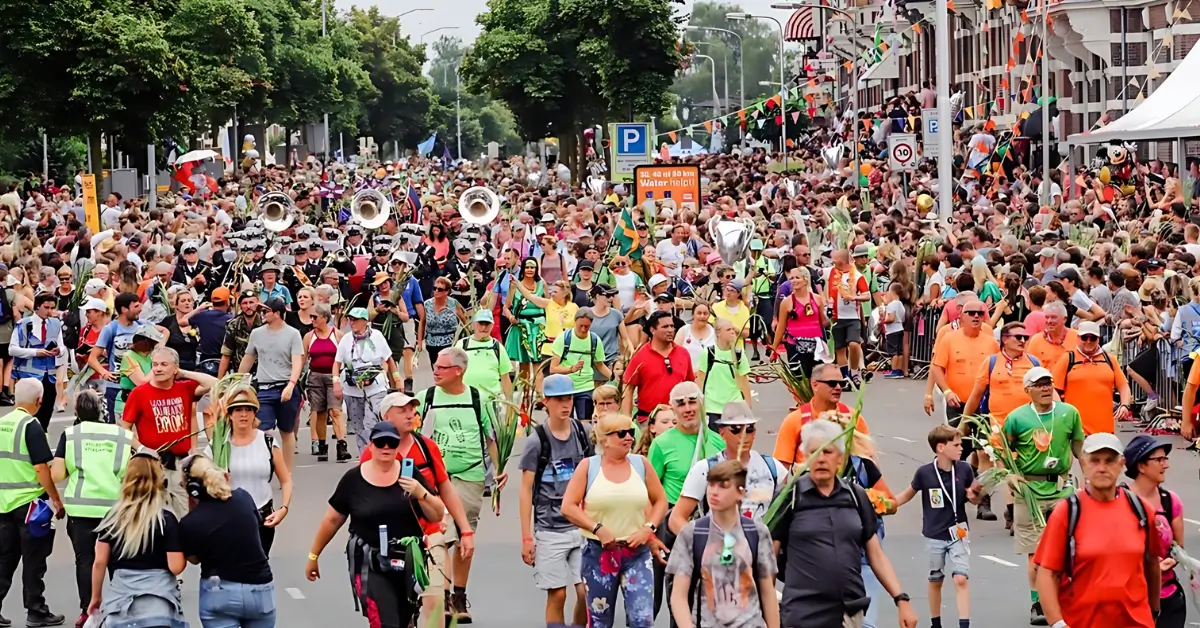
Imagine a regional marathon with road closures, motorcycle safety teams and a central control room coordinating dozens of staff across a twenty-kilometre route.
Before the event, organisers review footage from the previous edition. They identify a near miss at a pedestrian crossing where spectators entered the course earlier than expected. New marshals are briefed using the actual recording rather than written instructions alone. The traffic management plan is adjusted based on what was observed, not simply what was reported.
During the marathon, motorcycle officials wear ZEPCAM T3 Live bodycams that stream live video, audio and GPS information directly to the control room.
When a runner collapses near a water station, the nearest official activates the bodycam. Operators immediately assess the situation through the live video stream, determine the severity of the incident and dispatch medical support directly to the correct GPS location.
There is no need to rely solely on verbal descriptions or estimate where assistance is required.
After the marathon, organisers review all recorded footage and identify two locations where crowd density increased significantly. Although no incidents occurred this year, the recordings highlight areas where adjustments may be needed if attendance continues to grow.
Before selected recordings become part of future training material, faces and other identifying details are redacted to protect the privacy of visitors while retaining the operational lessons.
This is exactly how safety teams at the Eindhoven Marathon and iTraffic Event Management have used ZEPCAM bodycams during large-scale public events. Live video supported operational decision-making during the event itself, while the same recordings later became valuable material for evaluations, protocol improvements and staff training.
Building value with every event
Organisations that use bodycams throughout the entire event lifecycle typically experience several operational benefits.
They make faster decisions because supervisors can see developing situations in real time.
Incident response becomes quicker because GPS-tagged live streams allow resources to be dispatched immediately to the correct location.
Staff are better prepared because training is based on real operational footage rather than theoretical scenarios.
Event planning continuously improves because every deployment creates new operational knowledge.
Recorded footage also provides valuable documentation for incident investigations, insurance claims, liability questions and reporting to stakeholders or public authorities.
The value of the system increases with every event.
The results: Value that grows with every event
Organisations that use bodycams throughout the entire event lifecycle quickly discover that the benefits extend far beyond the event itself.
Each deployment generates new operational knowledge that can be used to improve future planning, staff training and live operations. Instead of solving the same problems repeatedly, organisations build on previous experience and continuously improve the way events are organised.
Typical benefits include:
- Faster live decision-making as supervisors respond to what they see through live video rather than relying solely on delayed radio communication.
- Fewer incidents because the visible presence of a live-streaming bodycam often discourages aggressive behaviour, helping protect both visitors and frontline staff.
- Shorter incident response times through live GPS-tagged video streams that allow emergency services and supervisors to dispatch resources directly to the correct location.
- Better prepared staff by using real footage from previous events during briefings and training sessions instead of relying only on written procedures.
- Continuous operational improvement because every event creates a documented record that directly supports future planning, route design, staffing levels and operational procedures.
- A stronger evidence base for incident investigations, insurance claims, liability questions and reporting to stakeholders or public authorities.
Rather than creating value for a single event, the system delivers value every time it is used.
Proven in practice
This approach has already proven its value during major public events.
Safety teams using the ZEPCAM T3 Live during a large marathon reported that the combination of live video and the ZEPCAM Manager platform significantly improved communication during the event itself. Afterwards, the same recordings were used to evaluate operations, improve procedures and train staff for future deployments.
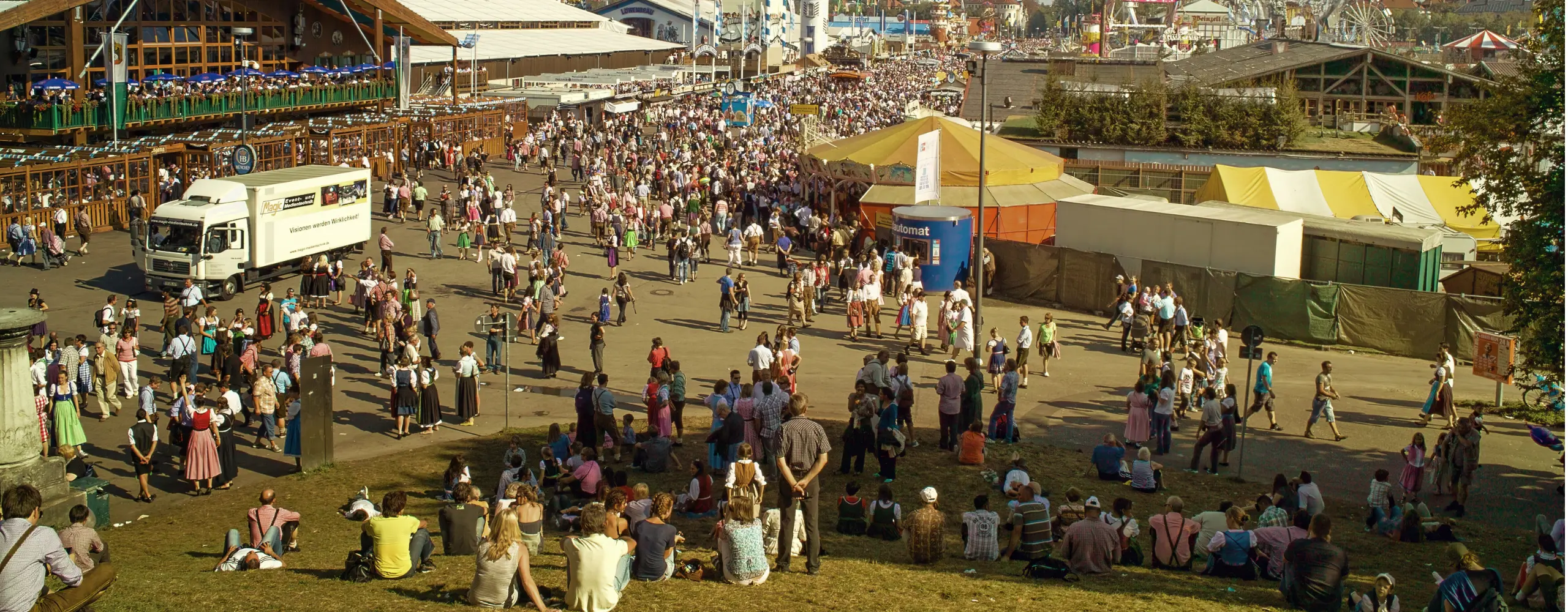
A similar conclusion was reached in a Milestone Systems case study covering a major walking event. Mobile video technology not only strengthened security during the event but also improved operational efficiency and provided valuable insights for future editions.
These examples demonstrate that the greatest value of a professional bodycam solution is not limited to the day of the event. It lies in the ability to continuously improve planning, operations and training using objective information gathered in the field.
The takeaway
One of the biggest mistakes organisations make is viewing bodycams purely as equipment for live event security.
Their greatest value comes from using the same recordings multiple times.
First to prepare teams before an event.
Then to support operational decisions while the event is taking place.
And finally to evaluate, improve and prepare for the next deployment.
Every event supported by a live-streaming bodycam system becomes more than a successful operation.
It becomes the foundation for making every future event safer, smarter and better organised than the last.